



The allure of chance and risk
The thrill of chance is one of the primary drivers behind the popularity of casino games. This appeal stems from human nature’s inherent attraction to risk and unpredictability. The excitement of potential rewards often outweighs the fear of losses, leading individuals to engage in games of chance. The anticipation of winning creates a rush of adrenaline, which is psychologically satisfying. Players often find themselves caught in a cycle of seeking that high, reinforcing their attraction to casinos, especially those that offer the best online pokies australia real money options. The transformative power of hope and the potential for a life-changing win can make the gaming experience incredibly compelling.
Moreover, this allure is magnified in environments designed to heighten sensory experiences. The bright lights, sounds of coins, and engaging atmospheres work together to stimulate players’ emotions. These sensory cues form a psychological association between the environment and the thrill of winning, creating a feedback loop. Players return not just for the games, but for the entire experience that activates their sense of excitement, further entrenching them in the casino culture. This curated atmosphere effectively masks the risks involved, allowing players to immerse themselves fully in the moment.
Additionally, the concept of risk versus reward in casino games ties into broader psychological theories. Theories of behavioral economics suggest that people are often more motivated by the possibility of loss than by the opportunity for gain. This is known as loss aversion, and it plays a significant role in gambling. Players may continue to stake money in hopes of recouping what they have lost, creating a cycle where the chance of winning keeps them engaged, even when the odds are stacked against them. This psychological mechanism can lead to a persistent belief that a win is just around the corner, perpetuating gambling behavior despite negative outcomes.
The role of cognitive biases
Cognitive biases greatly influence how individuals interact with casino games. One prevalent bias is the illusion of control, where players believe they can influence the outcome of games that are purely based on chance, such as slot machines. This belief can lead to increased gambling behavior as individuals feel more empowered, even though the odds remain unchanged. The more players believe they can control outcomes, the more they engage in gameplay, often without recognizing the inherent risks involved. This false sense of agency is a powerful motivator that keeps players returning to the games.
An additional cognitive bias affecting players is the gambler’s fallacy. This phenomenon occurs when individuals misconstrue random events, believing that past outcomes can influence future results. For instance, a player may think that a slot machine is “due” for a win after a streak of losses, leading to further gambling. This misalignment of expectations versus reality can cause players to chase losses, which undermines rational decision-making. Understanding these biases is crucial in recognizing how they can lead to problematic gambling behavior, as they often mask the reality of the odds.
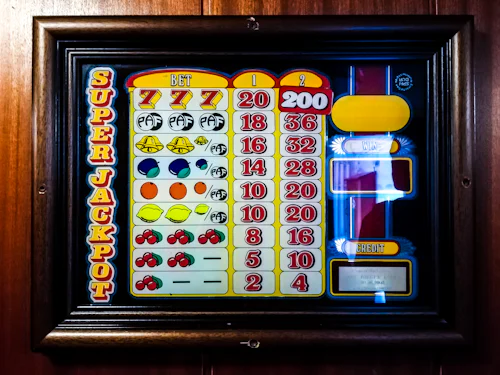
Lastly, the concept of reinforcement schedules plays a pivotal role in how players become habituated to gamble. Casinos often employ variable-ratio reinforcement schedules, where players receive rewards intermittently rather than consistently. This unpredictability enhances the excitement of gaming, similar to how rewards work in nature, encouraging repeated behavior. As players experience varied outcomes, they may increasingly invest their time and money, blinded by the anticipation of the next win, ultimately leading to deeper involvement in gambling activities. This method of reinforcement keeps the excitement alive, making it difficult for players to step back and assess their behavior.
The impact of social dynamics
Social dynamics within casinos can significantly influence gambling behavior. The presence of other players can enhance the experience, creating a sense of community and shared excitement. Social interaction provides emotional support, and players often share strategies or celebrate wins together, which fosters a deeper attachment to the gaming environment. This social reinforcement can lead to increased participation, as individuals feel motivated to return and connect with their peers in that lively setting. The collective atmosphere can amplify the emotional highs and lows experienced during gameplay.
Furthermore, peer pressure plays a significant role in the decisions made by individuals in casinos. When friends or acquaintances are engaging in games, others may feel compelled to join in, driven by the desire to fit in or mirror their behaviors. This dynamic can encourage more risky gambling as individuals seek social acceptance. The ramifications of this can be profound, as the decisions made in group settings often overshadow individual risk assessments, leading to excessive spending and gambling behavior. The need for belonging can sometimes supersede rational judgment, making it a powerful force in gaming environments.
Additionally, social media and online platforms have further expanded the social aspect of gambling. As people share their experiences, wins, and losses, those who participate online can feel part of a larger community, reinforcing their engagement. This online interaction often glamorizes gambling, making it seem more appealing to those who might otherwise be hesitant. The blend of social validation and the thrill of chance can lead to increased participation, blurring the lines of responsible gambling practices. In this interconnected age, the social influence on gambling behavior is more potent than ever.
The emotional rollercoaster of winning and losing
The emotional journey associated with winning and losing in gambling can be a profound psychological experience. Winning offers a euphoric sense of achievement that can significantly impact a player’s mood and self-esteem. This elation is often heightened in casinos due to the celebratory atmosphere. Players may experience a rush that reinforces their desire to continue playing, as the positivity associated with a win serves as a strong motivator to seek similar experiences in the future. The immediate gratification of winning can create a craving for repeated success, further entrenching gambling behavior.

Conversely, the emotional impact of losing can be profound and multifaceted. Many players experience a range of negative emotions, including disappointment, frustration, and anxiety. This emotional fallout often leads to an increased drive to gamble in an attempt to regain lost money, which can perpetuate a cycle of chasing losses. It is not uncommon for players to convince themselves that they will experience a turnaround, motivated by a mix of hope and desperation, which can lead to reckless decision-making. The emotional stakes can become so high that players may neglect the practical realities of their situation.
Furthermore, the emotional highs and lows of gambling can have significant implications for mental health. Continuous engagement with the potential for both highs and lows can lead to heightened anxiety and stress levels. For some players, the volatility of their emotional state can foster a harmful relationship with gambling, transforming it from a source of enjoyment into a source of distress. Recognizing these emotional patterns is essential in understanding the gambling experience and addressing potential issues that arise from gaming behavior. Establishing awareness of these emotional fluctuations can be the first step toward healthier gambling habits.
Understanding responsible gambling on our platform
Our platform is dedicated to promoting responsible gambling practices. We understand the psychological factors that influence gambling behavior and strive to provide resources that encourage healthier engagement with games. Our emphasis on educating players about the risks and rewards of gambling will help them make informed decisions. Knowledge is a powerful tool, and we believe that understanding the psychology behind gaming can lead to a more balanced approach. By fostering awareness, we aim to empower players to make choices that enhance their enjoyment and minimize risks.
We offer various tools and strategies for players to monitor their gambling habits. These include setting limits on spending, time management features, and access to support resources for those who may be struggling with their gambling habits. By fostering a responsible gaming environment, we aim to create a space where individuals can enjoy casino games while being aware of the potential for problem behaviors. Our platform serves as a safe haven for players to explore their interests in gaming without falling into the traps that can lead to unhealthy habits.
Ultimately, our goal is to ensure that players have a safe and enjoyable experience. Understanding the psychology behind casino games empowers players to engage responsibly, promoting a healthier relationship with gambling. We are committed to providing a platform where excitement and responsibility go hand in hand, ensuring that gaming remains a source of entertainment and not a cause for distress. By prioritizing responsible gambling, we hope to contribute positively to the gaming community and support players in their pursuit of enjoyment.