



Gambling's toll exploring the effects on mental health
The Relationship Between Gambling and Mental Health
The intricate relationship between gambling and mental health is a pressing concern in modern society. Individuals often turn to gambling as a form of entertainment, seeking excitement and the potential for financial gain. However, for many, this seemingly harmless pastime can spiral into a more serious issue, leading to anxiety, depression, and other mental health challenges. Understanding how gambling affects emotional well-being is crucial for prevention and intervention efforts. Many are discovering the options available at the Longfu88 official site to explore safer gambling avenues.
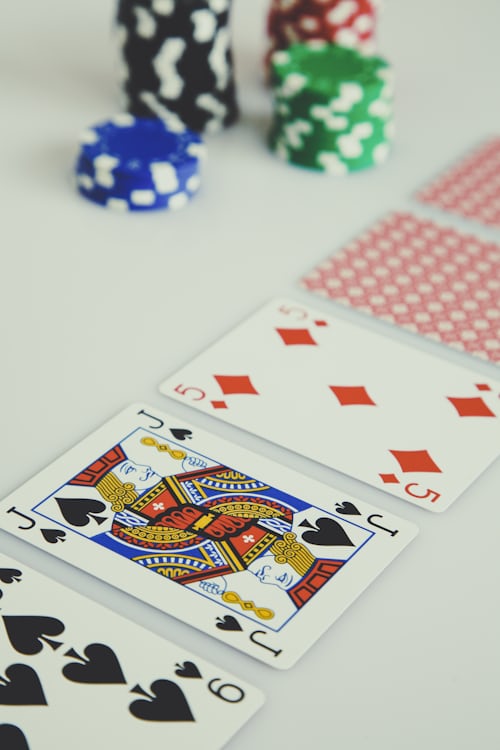
Research indicates that those who engage in excessive gambling are at a heightened risk for mental health disorders. The thrill of gambling can create a temporary high, but the subsequent lows may lead to feelings of despair, guilt, and shame. This cycle can worsen pre-existing mental health issues and trigger new ones, making it vital for individuals to remain aware of their gambling habits.
The Psychological Impact of Problem Gambling
Problem gambling is not just about financial loss; its psychological ramifications can be profound. Individuals struggling with this addiction often experience heightened stress levels and a sense of loss of control. The anticipation of winning can overshadow their rational thinking, leading to irrational decisions that further exacerbate mental health conditions.
Moreover, problem gamblers frequently isolate themselves from family and friends, which can lead to feelings of loneliness and depression. The inability to manage gambling urges can create a vicious cycle, where the individual gambles to escape their problems, only to face greater issues as a result.
Signs of Gambling Addiction and Mental Health Disorders
Identifying the signs of gambling addiction is essential for early intervention. Common indicators include a preoccupation with gambling, unsuccessful attempts to cut back, and neglecting personal and professional responsibilities. These behaviors can also mirror symptoms of various mental health disorders, complicating the diagnosis and treatment process.
It’s important to recognize that gambling addiction often coexists with other mental health issues, such as anxiety and substance abuse. This dual diagnosis can make recovery more challenging, emphasizing the need for comprehensive treatment that addresses both gambling behavior and underlying mental health conditions.
Treatment Options and Recovery Support
Fortunately, there are effective treatment options available for those struggling with gambling addiction and related mental health issues. Therapy, particularly cognitive-behavioral therapy, has proven successful in helping individuals recognize harmful thought patterns and develop healthier coping mechanisms. Support groups can also play a vital role, providing a sense of community and shared experience.
Recovery is not just about stopping gambling; it involves addressing the underlying mental health concerns and rebuilding one’s life. Individuals may benefit from holistic approaches, including mindfulness practices and stress management techniques, which can help enhance emotional resilience and overall well-being.

Longfu88: A Responsible Gaming Environment
At Longfu88 Casino, we prioritize player well-being while offering an exciting gaming experience. Our platform promotes responsible gambling practices, ensuring that individuals are informed about the risks associated with gambling. We encourage players to set limits and seek help if they find their gambling habits becoming problematic.
In addition to providing thrilling gaming options, Longfu88 is dedicated to creating a safe and supportive environment. We offer resources for mental health support and encourage open conversations about the impact of gambling on mental health. Join us today to experience gaming responsibly while prioritizing your emotional well-being.