



Best Places to Buy Discount Ammo Online Without Sacrificing Quality
Discount .17 HMR Ammo for Sale ammo is simply factory-new or bulk-packaged ammunition sold at a reduced price, often by buying in larger quantities or choosing overstocked brands. This makes it a practical way for shooters to stretch their budgets without sacrificing the ability to practice regularly. For anyone who feels the pinch of rising costs, choosing discount ammo means you can keep training or plinking without guilt. By sticking to reputable sellers, you get reliable rounds for less, letting your money go further on the range.
What Exactly Counts as Bargain-Priced Ammunition?
Bargain-priced ammunition generally means factory-new rounds sold at 20–40% below typical retail for the same caliber and bullet weight, not remanufactured or surplus stock. The core criteria are consistency—same lot, sealed primers, and visible headstamps—plus a price per round that undercuts standard brands like Federal or Remington without dropping below manufacturing cost. Discount ammo qualifies as a bargain only when it meets factory specifications for velocity and accuracy while costing less per box than comparable loads from major brands. A real-world check: if a 50-round box of 9mm runs $14 instead of $20, that’s bargain-priced; if it drops to $10, inspect for corroded cases or loose bullets—those indicate seconds, not bargains. Q&A: “Does bargain ammo mean poor quality?” No—it means overstocked or bulk-packed rounds, not rejected ones; the price reflects volume, not defects.

Understanding the Difference Between Cheap, Surplus, and Factory Seconds
Understanding the difference between cheap, surplus, and factory seconds is critical for smart discount ammo buys. **Cheap ammo typically means new production with budget components**, which can still be reliable for range practice. Surplus refers to military overrun or older stock—often corrosive or with sealed primers—so you need to check the headstamp and clean your rifle thoroughly after use. Factory seconds are rounds that failed a QC check for cosmetic issues like dented cases or scratched primers, not necessarily function. Before buying, verify whether defects affect pressure or feeding. Understanding the difference between cheap, surplus, and factory seconds prevents misfires or gun damage.
Q: How do I tell if surplus ammo is corrosive? Look for a brown or lacquered primer seal and a berdan primer—if uncertain, treat it as corrosive.
Why Retailers Can Offer Lower Per-Round Costs Without Cutting Corners

Retailers can offer lower per-round costs without cutting corners because they buy surplus military or law-enforcement overruns in massive, single-lot quantities, eliminating per-unit freight and repackaging fees. They specialty sports & supply also bypass middlemen by contracting directly with manufacturers for canceled wholesale orders, capturing discounts you never see on full-retail shelves. Warehouse-direct storage cuts handling costs, and flat-rate shipping spread across thousands of rounds—not a box of twenty—shrinks your price per bang. Volume purchasing on steady SKUs lets them lock in low component prices months ahead, passing that margin to you while keeping QC checks identical to premium ammo. These are business efficiencies, not ammunition compromises; you pay less because their overhead is leaner, not because the brass or powder is cheaper.

Volume buying, direct sourcing, and lean logistics let retailers slash per-round prices while keeping ammunition quality identical to full-price brands.
How to Spot a Genuine Deal Versus a Subpar Product
A genuine discount ammo deal offers consistent performance, while subpar product often reveals itself through visible flaws. Inspect the cartridge case for dents, corrosion, or cracked necks, which indicate poor handling or remanufacturing. Check the primer seating—a proud or sunken primer suggests faulty reloading, risking misfires. Weigh a few rounds; consistent weight signals uniform powder charges, whereas variations hint at sloppy production. Examine the bullet’s crimp and seating depth for symmetry. A genuine deal usually comes from a known manufacturer with clear lot numbers, not a repackaged mystery bag. Test a small sample box first for feeding, extraction, and accuracy before buying bulk. If the ammo fails to cycle .17 WSM Ammo for Sale or shows erratic muzzle velocity, it’s subpar regardless of price. Trust your firearm’s function over the sticker price.
Key Indicators of Reliable Budget Rounds: Packaging, Headstamps, and Lot Numbers
When evaluating discount ammo, reliable budget rounds often show consistent, intact packaging—crimped, sealed boxes without crushed corners or loose primers rattling inside. Check the headstamp on the case base; a uniform, deeply stamped caliber and manufacturer mark (e.g., “FC,” “WIN,” or “PPU”) indicates a known source, not a generic or re-stamped mystery case. Lot numbers printed on the box or case label matter: a clear, sequential lot allows you to trace a recall or verify batch consistency. A
- compare headstamps across several rounds for identical depth and alignment;
- match the lot number on the box to Ammo Cans & Storage for Sale the one on each tray or inner wrap;
- reject any lot with mixed headstamps or faded, hand-scrawled numbers.
These three signals separate a factory miscalculation from a dependable bargain.
Red Flags That Scream “Too Good to Be True”—and What to Avoid
When browsing discount ammo, a price below 50% of the average market rate is the first red flag that screams “too good to be true.” Avoid any listing with stock photos instead of real product images, as this often masks remanufactured or corroded rounds. Verify the lot number and headstamp before purchase; missing or inconsistent markings indicate mixed or counterfeit batches. Also, skip vendors demanding cryptocurrency or wire transfers only—legitimate dealers accept cards. Finally, beware of “sealed can” mystery packs; you cannot inspect the brass, primer, or seal integrity, which risks squibs or misfires.
- Drastically low price per round compared to major retailers.
- No lot traceability or refusal to provide manufacturing date.
- Vague packaging (loose repacks) with no brand or reloader info.
Which Calibers and Grain Weights Offer the Biggest Savings
For the biggest per-round savings in discount ammo, focus on high-volume military calibers like 9mm, .223 Remington/5.56 NATO, and .22 LR, where surplus and bulk production keep prices razor-thin. Within these, lighter grain weights—such as 115-grain 9mm or 55-grain .223—are consistently cheaper than heavier options like 147-grain or 77-grain, because they use less lead and copper. Avoid niche or defensive loadings entirely; discount bins are dominated by standard-pressure, full-metal-jacket rounds, where weight variance matters more for cost than for precision. For 9mm, 115-grain FMJ offers the steepest price drop per box, while 55-grain .223 is your best bargain in rifle calibers—both are overproduced and heavily discounted. That said, if you handload, buying 124-grain 9mm bulk can sometimes match 115-grain pricing, but only when the per-1000 discount exceeds two dollars. Stick to these two weights, and you’ll cut your ammo bill by 20–30% versus mid-range options.
Popular Target Loads That Consistently Hit the Lowest Price Point
For shooters chasing the lowest price point, certain target loads consistently undercut the competition. In 9mm, 115-grain full metal jacket loads from brands like Blazer Brass and Magtech frequently hit rock-bottom pricing per round. For .223/5.56, bulk-packed 55-grain M193-style loads from manufacturers such as PMC and Wolf Gold often sit at the cheapest tier. Similarly, .22 LR standard-velocity 40-grain 7.62x54R Ammo for Sale rounds from armscor or Aguila regularly offer the best per-round cost for bulk plinking. These loads win because they use common components, high-volume production, and minimal frills—prioritizing function over precision. Bulk-packed 115-grain FMJ 9mm loads remain the most reliable cheap staple. Check case-count pricing, as 500–1000 round cases drive the cost down further.
- 115-grain 9mm FMJ 7.62×51 Ammo for Sale from value brands (Blazer, Magtech) usually beats all other centerfire handgun ammo on price.
- 55-grain .223/5.56 M193 bulk packs are the lowest-cost rifle option for practice.
- 40-grain .22 LR standard velocity is the cheapest per round, often half 5.7x28mm Ammo for Sale the cost of any other caliber.
- Buying 500+ round cases of these specific loads maximizes the discount per box.
Comparing Full Metal Jacket, Hollow Point, and Reloads for Cost Efficiency
When comparing cost efficiency in discount ammo, full metal jacket (FMJ) rounds are the clear winner for range practice, typically costing 20-40% less than hollow points due to simpler manufacturing and cheaper materials. Hollow points offer defensive performance but their premium price per box undermines bulk savings, making them poor choices for high-volume training. Reloads, conversely, offer the lowest per-round cost if you already own brass and equipment, yet they demand time and upfront investment in presses and dies. *A reloader’s break-even point usually arrives after several hundred rounds, which only matters if you shoot consistently enough to justify the labor.* For pure shooting volume on a budget, FMJ beats both, while reloads only rival it when you ignore your own hourly effort.
Buying Strategies to Maximize Savings on Bulk Purchases
To maximize savings on discount ammo, calculate cost per round—not box price—and prioritize bulk tiers that cross free-shipping thresholds, as shipping fees often erase 10% of apparent discounts. Stack coupon codes with volume discounts by searching for retailer-specific promo lists before checkout, and buy during seasonal clearance of overstocked calibers, which frequently drops per-round costs below wholesale. Commit to a single caliber for multiple firearms to consolidate purchases into larger, higher-discount brackets, and join loyalty programs that reward cumulative annual spend with extra percentage-off codes for case orders. However, resist chasing the lowest per-round price on obscure loads that your firearm may not cycle reliably, as malfunctions negate any savings. Split large bulk orders with a trusted shooting partner to hit the next discount tier while dividing shipping and storage burden, and always verify that discount ammo’s packaging date is recent to avoid degraded primer performance.
The Sweet Spot: Case Quantities, Flat-Rate Shipping, and Per-Round Thresholds
The true money-saving move in discount ammo is finding the sweet spot where case quantities meet flat-rate shipping. Buying by the full case, typically 500 or 1,000 rounds, usually unlocks the lowest per-round price, but the real win is pairing that with a flat-rate shipping offer. Instead of paying a percentage-based fee, you spread one fixed cost across a massive order. To nail your threshold, calculate the minimum round count where the flat fee becomes negligible—often around 10–20 cents per box. Then:
- Compare per-round prices at case volume versus single boxes.
- Add the flat shipping fee to your total cart cost.
- Divide by total rounds to confirm you’ve hit your target per-round threshold.
Once you cross that line, every additional case you stack onto the same shipment drops your effective cost further, making the largest order you can afford the cheapest per trigger pull.
Leveraging Clearance Sections, Closeouts, and Seasonal Promotions Effectively
Clearance racks and closeout bins are your best friends when stacking deep discounts on ammo, so check them every visit—stores often slash prices on 7.62×39 Ammo for Sale last-season calibers or overstocked boxes to free up shelf space. Pair those markdowns with seasonal promotion calendars, like post-holiday sales or end-of-summer shooting events, to double up on savings. Ask staff when new closeouts hit the floor, then buy in bulk right then, because clearance inventory moves fast. A quick weekly scan of online closeout sections also catches random caliber drops before they vanish.
- Set alerts for store-specific clearance tags and endcap displays.
- Stack closeout prices with flat-rate shipping codes for extra bulk savings.
- Time big orders around Memorial Day, Black Friday, and New Year clearances.
Practical Storage and Handling Tips for Economical Rounds
When buying discount ammo in bulk, inspect rounds immediately for corroded primers or loose bullets before storing. Keep economical rounds in a sealed, airtight container with silica gel packets, as budget-friendly factory loads often ship without moisture barriers. Store them in a cool, dark place—a basement shelf or closet works—and rotate stock, shooting the oldest boxes first to prevent powder degradation. Handle each round by the case, not the bullet, to avoid seating irregularities that can cause pressure spikes in budget ammunition. Q: Should you mix discount ammo from different lots in one magazine? A: No—separate lots can vary in powder charge, so load only one lot per magazine to ensure consistent feeding and predictable recoil.

How to Keep Ammo Fresh and Reliable When Buying in Large Lots
Buying discount ammo in bulk only pays off if you keep it fresh and reliable for large lots. First, store unopened factory boxes in a sealed, hard-sided container with a rubber gasket, and toss in desiccant packs to kill humidity. Next, rotate your inventory by labeling each case with the purchase date and shooting the oldest stock first. Also, avoid temperature swings—keep the ammo in a cool, dark closet, never a hot garage or damp basement. Finally, inspect a few rounds monthly for corrosion or loose primers; if any show green spots, separate them immediately. Follow this sequence, and your bulk savings stay dependable for years.
Cycling Old Stock First: Managing Expiry Dates and Moisture Exposure
When buying discount ammo, implement a strict **cycling old stock first** rotation to mitigate age-related degradation and moisture damage. Always place newly purchased rounds behind existing inventory, ensuring you physically use older boxes before newer ones. Check headstamps or lot numbers to confirm production dates, prioritizing consumption of the earliest batches. Store opened boxes in airtight containers with desiccant packs, since cardboard absorbs ambient humidity and accelerates primer corrosion. Before range day, inspect cartridges for verdigris or tarnished cases—these signal moisture exposure that can cause misfires. Avoid storing ammo in basements or garages where temperature swings create condensation inside packaging.
Q: How quickly does moisture exposure ruin discount ammo?
A: It varies by climate, but repeated humidity cycles can compromise primers within 6–12 months, especially if rounds lack sealed primers or lacquered case mouths. Cycling old stock first minimizes the time any cartridge spends vulnerable to environmental moisture before firing.
Moisture exposure also causes case neck corrosion, which increases bullet pull resistance and pressure spikes, so discard any rounds with white powdery deposits or green spots.

Common Questions About Value-Priced Firearm Loads, Answered
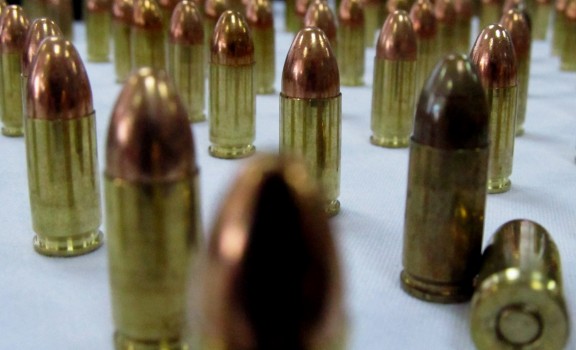
Common questions about value-priced firearm loads typically center on whether discount ammo sacrifices reliability or accuracy. For most plinking and training, budget-friendly remanufactured or bulk-priced rounds deliver acceptable consistency, though you should test a few boxes for function in your specific firearm. A frequent query is whether bargain brass is safe to reload—it often is, but inspect for primer pocket swelling or case mouth cracks. Another common concern is velocity variance; discount loads sometimes show wider extreme spreads, which matters only for precision shooting, not for practical drills.
The key insight is that value ammo rarely fails catastrophically, but verifying zero and cycling before relying on it is non-negotiable.
Finally, users ask about storage—discount ammo, especially bulk-packed, benefits from 5.56 Ammo for Sale dry, cool conditions to prevent powder degradation affecting ignition. Stick to reputable budget brands to avoid squib loads.
Will Cheaper Rounds Damage My Barrel or Cause Misfeeds?
Cheaper rounds won’t inherently damage your barrel, provided they are factory-loaded within SAAMI pressure specs—most value-priced brands are. The real risk isn’t the price; it’s inconsistent powder charges or undersized bullets, which can lead to keyholing or accelerated throat erosion. Misfeeds with discount ammo typically stem from weak recoil springs or poorly finished case rims, not the cartridge’s cost itself. A dirty, lacquer-coated steel case can cause extraction failures in tight chambers, but that’s a geometry issue, not a damage issue. Your barrel will usually wear out from round count and heat, not from shooting inexpensive loads. Q: “Will cheaper rounds damage my barrel or cause misfeeds?” A: No to damage if pressures are normal; yes to occasional misfeeds if your firearm is finicky—test 100 rounds before relying on any budget load.
How to Test a New Budget Brand Without Wasting a Full Box
To vet a budget brand without depleting an entire box, buy one box and divide it into three distinct test phases. First, load ten rounds for a baseline function check, tracking any failures to feed, extract, or fire. If the pistol or rifle exhibits more 7mm PRC Ammo for Sale than two malfunctions, stop immediately; the lot is unreliable. Second, fire five rounds over a chronograph to verify velocity consistency, as extreme deviations indicate poor powder metering. Finally, shoot five rounds for accuracy at a fixed distance, comparing group size to your known-good defensive load. This isolates the brand’s reliability, ballistic uniformity, and practical precision. A successful pass on all three tests justifies buying a full case, while a failure means you’ve lost only ten rounds, not a hundred. Testing a budget brand strategically preserves your investment and reveals performance limits before full commitment.
Test ten rounds for function, five for velocity, five for accuracy—if any phase fails, discard the brand with minimal waste.